Who Is Ryan Lippmann? Construction Manager and TuneView Founder
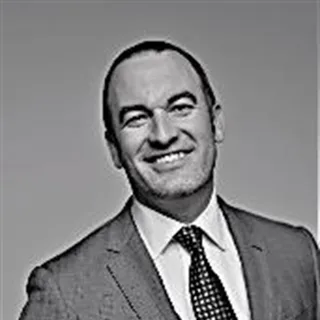
My work in construction and software
I’m Ryan Lippmann, a construction project manager based in Orange County, California, principal of Pacific Project Controls, and founder of TuneView. I have worked in California construction since 2001. This is a guide to the work, the public record behind it, and where to find more detail.
Construction management and automotive software address different problems. What connects them for me is the work of turning measurements into a decision: understanding what happened, identifying what needs attention, and checking whether the next action helped.
A California construction career
My construction practice covers the work from preconstruction through closeout: schedules, cost forecasts, contracts, change management, and coordination among owners, designers, inspectors, and trade partners. Project controls gives those participants a shared account of progress and the decisions still needed.
One independently documented part of that career is the Shriners for Children Medical Center in Pasadena. DPR Construction’s January 2016 project release identifies me as its senior project manager. It describes approximately 164,000 square feet of new construction and credits the project team’s collaboration at the structural milestone. That is a historical role, rather than a statement about current employment.
The public record page collects the original sources. My healthcare construction case study explains the controls framework in more detail.
My work at DPR Construction included a project-engineer role from 2003 to 2005 and a senior-project-manager role from 2015 to 2017, as recorded in my career history. The employer’s project release independently confirms the later role; Bisnow’s May 2016 interview also identifies me as a DPR senior project manager discussing healthcare expansion. The career history supplies the employment dates; those two publications verify the role they reported.
That case study also names a specific decision from my time on the Shriners project: self-performing concrete, metal stud framing, and drywall to manage the sequence directly. The DPR release verifies my role and the team's parking-level milestone, while my own article is the source for the decision. The project was in Pasadena; my Orange County location describes where I am based, not where every job was built.
The longer career record identifies my eight roles since 2001 and the projects I can name. The lesson I carry from that work is to compare the current schedule and cost forecast with the plan early enough to change course. A clean submittal, RFI, and change record makes a later decision about responsibility less dependent on memory.
Pacific Project Controls
Through Pacific Project Controls, I work on construction scheduling, cost controls, owner’s representation, and project assessment. The practical question is whether an owner can understand where a project stands and what it will take to finish.
A useful report connects the forecast to evidence and names the decision required. A schedule update matters because it changes a procurement decision, a sequence of work, or a resource plan. My note on what project controls really do explains that discipline for owners.
For a practical starting point, the weekly project controls review connects schedule, cost, risk, and decisions in one meeting. The construction handoff checklist covers the records that need to travel between field and office. Both describe a working method; neither depends on buying a particular software package.
I apply the same test to software: does a screen help someone choose an action, or does it merely display another set of numbers? The construction practice remains my professional focus; building a product has made me examine directly which parts of a workflow are useful to the person reading the output.
Why I founded TuneView
TuneView grew out of learning to tune my 416-cubic-inch, Whipple-powered 2015 GMC Sierra. I wanted a repeatable way to connect an engine datalog to a revision and then check the result in another log.
The current TuneView product and founder page describes that process: review the measurements, explain the recommended revision, and use fresh data to see what changed. TuneView is a LambdaWorx LLC product. It is separate from my construction consulting practice.
Instead of assuming that more raw data makes a better tool, I work backward from the tuner's decision: which measurement changed, what was revised, and what the next datalog shows. The founder page explains that workflow; the project-controls and software note explores the parallel without claiming construction and engine tuning are the same trade.
Where to find the work
For professional background and construction inquiries, visit my LinkedIn profile. For product information, visit TuneView. My GitHub profile collects public code, and Medium carries additional writing.
If you are deciding where to start, use the construction page for services, the public record for outside sources, and the TuneView website for current product details. Each serves a different purpose.
Published on Ryan Lippmann’s personal website. Prepared with AI assistance from approved material and linked sources. Sources and editorial policy.